Does the thought of wisdom teeth removal strike fear in your heart? Don’t worry – your expert local professionals at My Dentist will keep you relaxed and comfortable every step of the way.
Our team understands the importance of making a daunting surgery feel as stress-free as possible, so you’re in safe hands.
We always prioritise our patients’ comfort and wellbeing – that’s the My Dentist way.
You’re in safe hands with the dental surgeons at My Dentist. Dr Renu Karn and Dr Welyn Gordo have both practiced for over 26 years with postgraduate training in oral surgery and the management of wisdom teeth.
At My Dentist, we prioritise anti-anxiety dental care. To minimise pain and discomfort during your wisdom teeth extraction, our team will use local anaesthesia and oral sedatives.
You can book in for a wisdom teeth assessment with us directly, without the inconvenience and fuss of getting a referral from your GP or another dental provider first.
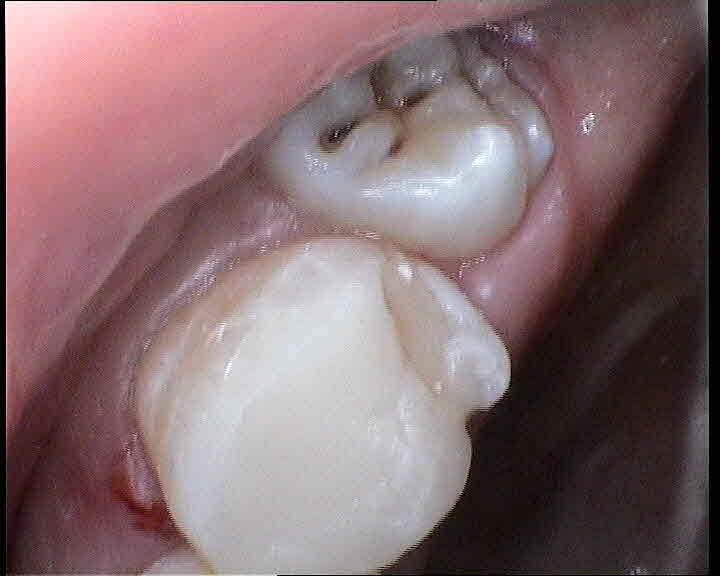

Also known as third molars, wisdom teeth are permanent teeth and erupt between the ages of 17 to 20.
You’ll normally have 4 wisdom teeth located right at the back of the mouth, and they are thought to have been used by earlier ancestors to assist with chewing food.
While they aren’t needed to assist with chewing food nowadays, their presence can still cause problems to your other teeth and have a negative impact on your overall oral health. That’s why extraction of wisdom teeth is common and necessary, and the team at My Dentist on The Parade can help.
We’ll often remove wisdom teeth to prevent future problems such as tooth decay and infection, even if you aren't experiencing symptoms just yet.
However, here’s some signs to look out for in case you need a wisdom teeth extraction:
At My Dentist, we understand how daunting it can be to undergo a wisdom teeth surgery procedure. That’s why we’ll keep you informed about what to expect at every step of the process. Here’s a 4-step breakdown of each visit:
At your first visit, our dentists will perform a thorough physical examination of your entire mouth, jaw and wisdom teeth. We’ll use 3D X-ray machines to map nerve proximity and impaction angles. Then, we’ll discuss our assessment and findings with you, and propose a treatment plan. For extractions that are best performed by an oral surgeon, we’ll provide you with a referral.
On the day of your wisdom removal, we’ll first make sure that you’re comfortable. Your dentist will apply a local anaesthetic to the area, and in some cases, you’ll be given a mild sedative to keep you feeling relaxed.
Discuss Your Sedation Options
Our dentists will make a small incision at the site of the wisdom tooth, loosen it with an elevator, then ease it out gently. We’ll then clean the empty socket thoroughly, removing all remains of the tooth, before suturing the edges of the socket together.
To initiate the healing process, our dentists will place a gauze pad over the wound and instruct you to bite on it firmly for at least 30 minutes to encourage a blood clot to form. If you were given a sedative, our dental assistants will take you to our recovery room to rest until you feel completely alert and ready to head home.
We recommend giving yourself plenty of time to properly rest and recover from your wisdom teeth removal. If you have any questions during this time, our clinic support staff are more than happy to assist, but you can also view our helpful downloadable PDF Post-Op Checklist here.
| Days post treatment | What to expect | |
|---|---|---|
| Initial recovery | 0-24 hours | Mild bleeding, discomfort/aching after anaesthetic wears off |
| Peak inflammation | Days 1-3 | The extraction site will continue to swell and cause discomfort |
| Healing begins | Days 4-7 | Swelling subsides and the gum tissue starts to repair rapidly |
| Back to normal | 1-2 weeks | Your gums completely close over the wound |
Avoid chewing excessively and the use of drinking straws over the first few days to allow the blood clots to protect the extraction area.
We recommend eating soft foods such as yoghurt, smoothies and mashed potatoes during this time.
Dry Socket is a painful complication affecting the tooth socket following an extraction. Normally, a blood clot forms at the extraction site to protect the newly exposed nerves and bones. However, sometimes this clot dislodges or fails to form properly. Here’s how to prevent Dry Socket:
Surgery costs vary depending on the complexity of your case. At My Dentist on The Parade, we believe that dental care should be accessible for as many patients as possible so we offer a range of payment options to help you cover your treatment.
Ask our team about our $0 deposit weekly payment plans
We accept all major health funds including HCF, BUPA, Medibank Private, NIB and Australian Unity. If you have extras cover, we can use our HICAPS facilities onsite for fast instant claims, so you’ll only need to pay out of pocket expenses for your Invisalign treatment.
We offer Afterpay and Zip Pay so you can break payments down into more manageable instalments.
Pricing and payment plan details are indicative only and subject to change. Contact our team for current pricing, deposit requirements, and payment terms.
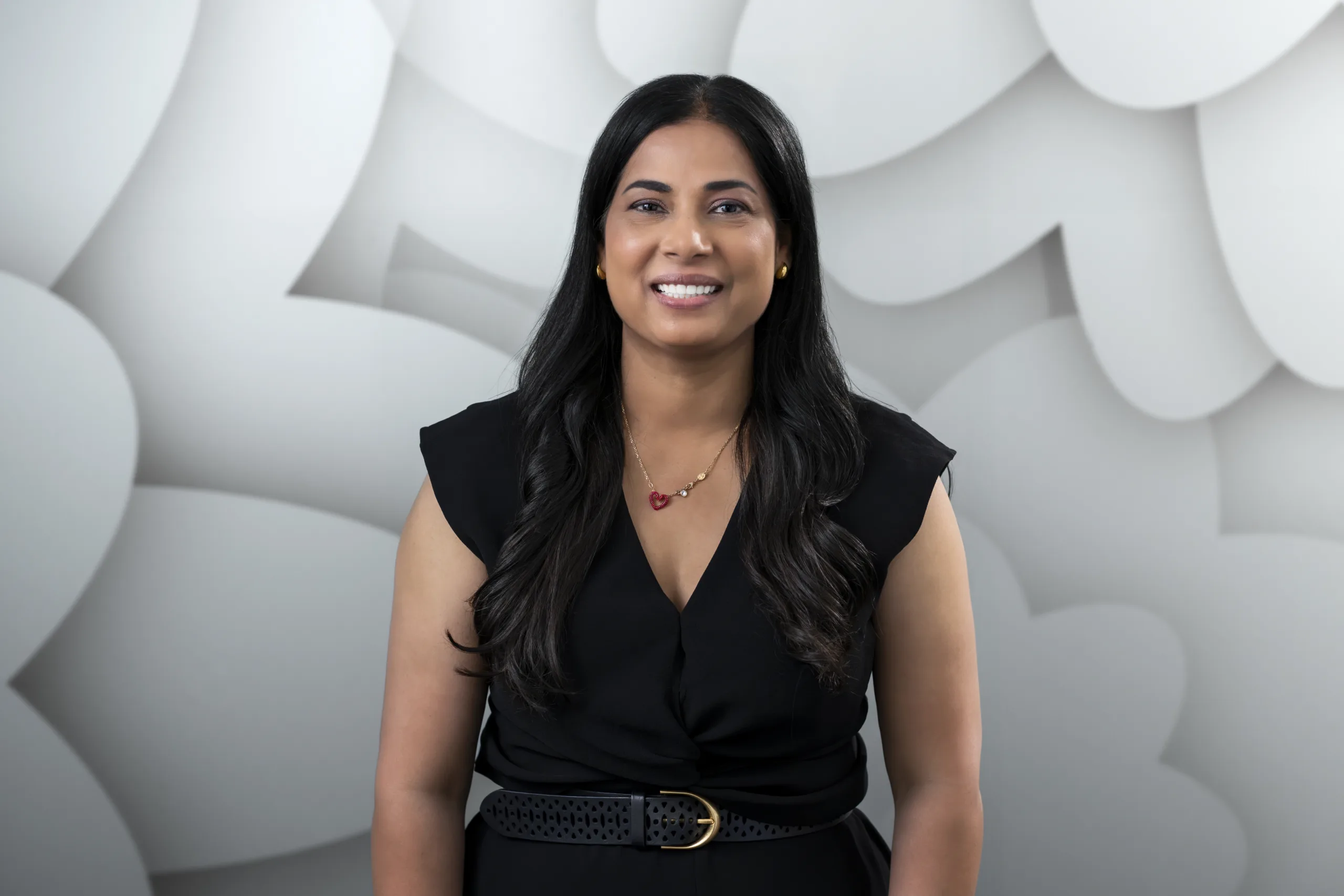
Dr Karn has more than 25 years’ experience in General and Cosmetic Dentistry. She completed a Bachelor of Dental Surgery at the University of Adelaide in 1999, is a member of the Australian Dental Association, and has the following post-graduate training qualifications:
Committed to providing exceptional dental care in a relaxed environment, Dr Karn has a special interest in:
She regularly travels to conferences and workshops to continue her professional development. With ongoing training to stay up to date on the latest dental techniques, procedures, and technology, Dr Karn ensures that you always receive a high standard of care and lasting, natural looking results.
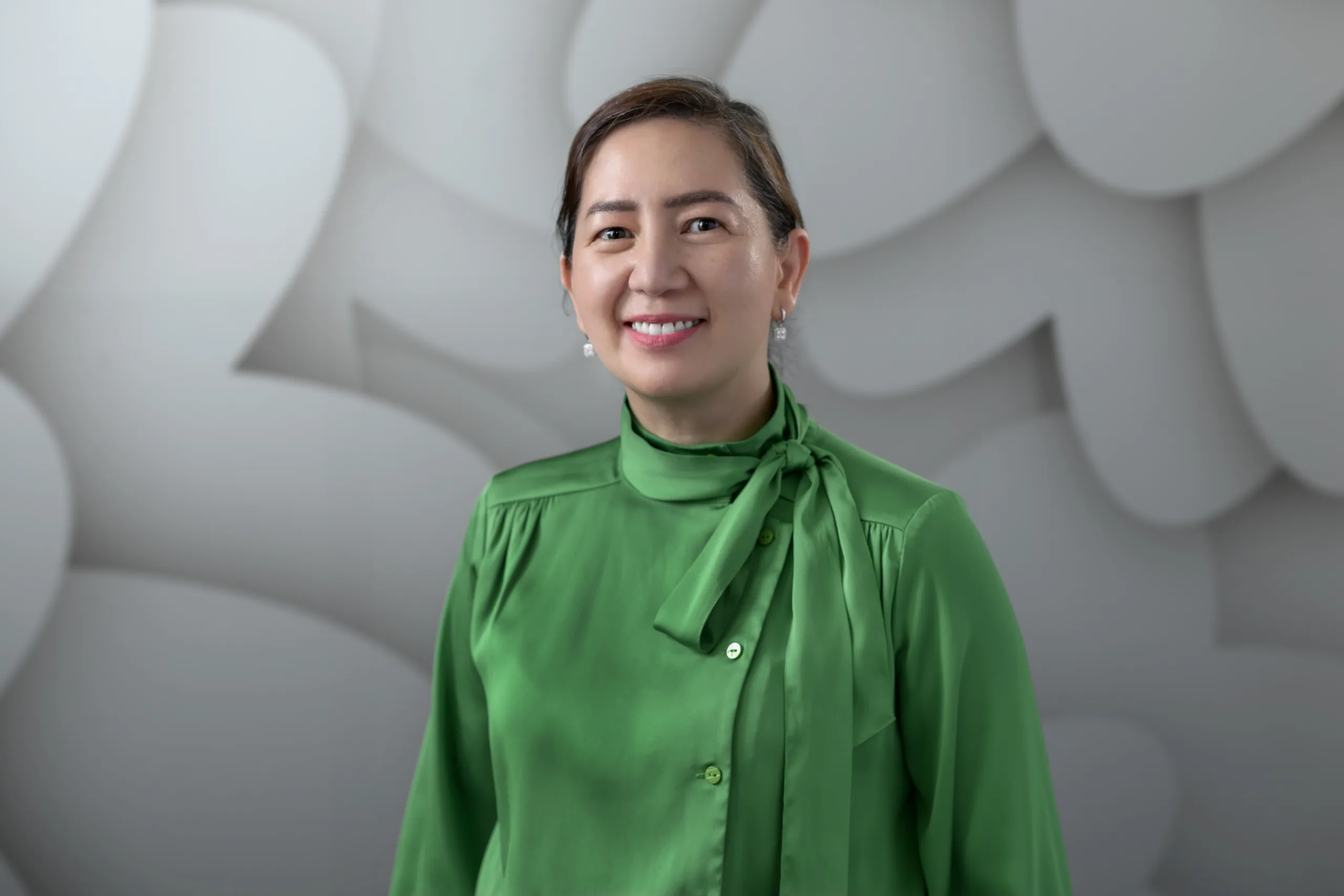
Dr Gordo graduated as a dentist from the University of the East, Phillipines in 1997 and then migrated to Australia in 2009 and obtained a license to practice dentistry through the Australian Dental Council in Sydney. She has the following post-graduate qualification:
Dedicated to professional advancement, Dr Gordo has a broad skill set in:
Dr Gordo prides herself on providing optimal dental care with gentle skilled hands and a dash of humour.
She has a strong interest in oral surgery, wisdom teeth extraction and complex impactions. She values patient wellbeing and strives to maintain a seamless, positive experience for her patients from the initial consultation right through to post-treatment.

Dr Shania Paranavithana is a compassionate and detail‑oriented dentist at My Dentist, with strong clinical interests in Orthodontics, surgical extractions, periodontics, implant dentistry, and all aspects of general dentistry. She is committed to delivering high‑quality, patient‑centred care and is known for her gentle approach, clear communication, and ability to make patients feel comfortable and supported throughout their treatment.
Dr Shania provides comprehensive general dental care, including preventive dentistry, restorative treatments, and personalised long‑term treatment planning. Her interest in Orthodontics allows her to help patients achieve improved alignment and function, while her skills in surgical extractions and periodontal care support patients with more complex clinical needs. She is also developing her expertise in implant dentistry, ensuring she stays aligned with modern, evidence‑based treatment options.
Warm, calm, and approachable, Dr Shania is highly regarded by patients for her reassuring manner and her dedication to achieving healthy, confident smiles.
Professional Memberships
Depending on the complexity of your specific extraction, and whether you need a local or general anaesthetic for the procedure, prices can vary from $200 to $1000 per tooth. Health fund rebates may cover some or all of these costs.
No, it is performed under local or general anaesthetic, so you won’t feel any sensation of pain during the extraction itself.
No, it’s not recommended to drive home after sedation or general anaesthesia. You’ll need to bring someone with you to take you home.
If a wisdom tooth is causing significant discomfort, it needs to be removed, no matter what age you are. However, we normally recommend having them removed before they fully erupt, and early adulthood is often a good time due to less developed roots, softer bones and faster healing.
It depends on your personal situation, but in most cases, if you require sedation or general anaesthetic, it’s best to only undergo the procedure only once, so it makes sense to remove all 4 at the same time.
Yes, health fund rebates are available for wisdom teeth removal, provided that you have met all the waiting period criteria. For more specific information on out of pocket expenses, we encourage you to reach out to your health fund directly.
We recommend eating soft and lukewarm food for a few days afterwards to optimise healing at the extraction site. This includes milk, soup, jelly, porridge and yoghurt.
Dry Socket is a painful complication where blood clots are either dislodged or not formed properly to protect the extraction site, following a wisdom tooth removal. In the first few days after removing your wisdom teeth, we recommend avoid; using drinking straws, vigorous mouth rinsing and to eat soft foods.
We recommend avoiding smoking for at least 72 hours after your wisdom teeth removal.
Like other medical procedures, wisdom teeth extractions carry short term risks such as Dry Socket and infection, which can be managed easily. In rare cases, nerve damage and bone fractures may occur.
It takes around 3-7 days for the swelling to go down and to recover from the, and 14 days for the gum tissue to completely heal.
The best way to tell is by making an appointment with our dentists, who will perform X-rays to determine whether or not your wisdom teeth are causing the following symptoms:
We recommend avoiding vigorous exercise for at least 3 days, as increased blood flow may cause the extraction site to bleed rather than clot to promote healing.
For straightforward procedures where it has fully erupted, your dentist can remove a wisdom tooth for you.
For more complex cases, including impacted wisdom teeth, you’ll be referred to an oral surgeon as you will need to undergo the procedure with a general anaesthetic.
It depends on the complexity of the procedure, but a single wisdom tooth extraction typically takes around 15-20 minutes.
Download Your Free Post-Op Recovery Checklist
Having wisdom teeth surgery can feel overwhelming and relieving all at once, you’re in safe hands with our experienced dental team. We’re highly skilled at removing wisdom teeth and well trained in how to keep you calm at every stage of the process.
Don’t put up with aching wisdom teeth any longer. Speak to My Dentist Kensington/Adelaide today.
Ready to relieve your pain? Book your extraction today. Call (08) 8332 2800.