Medically reviewed by Dr Renu Karn, Principal Orthodontic Provider — BDS (University of Adelaide), Member of the Australian Dental Association. Last reviewed: June 2026.
When you’re making a commitment as big as getting dental braces Adelaide, you need the expertise of trusted, local orthodontists.
For a stress-free teeth braces experience, contact My Dentist Adelaide/Norwood today.
With a proven track record of successful teeth realignments spanning across her 25+ year career, Dr Renu Karn is passionate about personalised dental care and improving oral health in adults, teenagers and children across Adelaide’s eastern suburbs and beyond.
Affordable dental braces are accessible through our weekly payment plans. Ask our team about our $0 deposit offer.
You can contact us directly for a dental braces assessment without the hassle of needing a referral from a GP or another dental provider.


Traditional braces work by applying pressure to the teeth over an extended period, gradually moving them into their desired position. Brackets are applied to each tooth and are connected with an archwire. Over the course of your treatment, our dentists will periodically tighten the wire, which adjusts the amount of pressure being applied to the teeth. In some cases, elastic bands may also be used to adjust jaw alignment and improve bite issues. Attending regular dental visits throughout the treatment process will ensure adjustments are made as needed, which helps achieve optimal results.
You’ll need regular appointments with our dentists to make sure the treatment is working correctly. As always, our dentists will make sure that you feel relaxed and comfortable every step of the way.
For the best results, here’s a 5-step process of what you can expect at My Dentist when you undergo a journey with us for orthodontic treatment.
Our dentists will perform a thorough assessment of your teeth, mouth, jaw and facial structure.
They will also use state of the art technology to assess all aspects of your teeth, including X-rays, photographs and digital scans. This information will be used to create a 3D model of your teeth.
To ensure that you’re satisfied with the results, our dentists will discuss your goals and preferences, to create a tailored treatment plan. This will include the treatment duration and all costs involved.
Prior to your fitting appointment, our orthodontists need to make sure that your teeth are in the best condition for the application of braces. You may need spacers fitted between some teeth, and treatment for cavities.
Our dentists will thoroughly clean your teeth before applying dental glue to each tooth and attaching the metal brackets. Archwires are then carefully threaded through each bracket and secured with ligatures.
You’ll need to return for a review every 4-8 weeks to make sure that the treatment is effective, and your orthodontist may need to replace archwires or elastics that have worn out.
Once you’ve reached the end of your treatment, your dentist will remove the brackets and polish your teeth. However, there’s a risk that your teeth will shift back to their original positions as they have not fully stabilised in your gums.
This means that you’ll need to continue wearing a retainer for 1-2 years after treatment to make sure that your new smile stays permanently in place.
Dental braces don’t just make your smile look more even, they serve an important purpose in maintaining your oral health and general wellbeing.
As one of the most common reasons patients undergo orthodontic treatment, braces are used to help straighten misaligned teeth, resulting in not only a more attractive smile and higher self-confidence, but also increased oral hygiene by making teeth easier to clean, thus reducing the risk of cavities and gum disease.
Overcrowding is the result of insufficient space in the jaw for teeth to fit properly. This will increase a patient's chances of developing oral health issues. Braces will help to create more space by gradually moving teeth into better positions.
Braces are an excellent way to close gaps in teeth, resulting in a more aesthetically pleasing smile, while also improving oral health.
Many dental concerns can be caused or worsened by improper bites, particularly overbites, underbites or crossbites. Patients suffering from improper bites can also experience issues with speech, jaw pain, amongst other complications. Braces work by correcting bite issues, resulting in enhanced jaw functionality and an improved smile appearance.
Crossbites occur when the upper teeth sit inside the lower teeth instead of outside. Those with crossbite jaw misalignments can suffer from uneven wear on their teeth as well as jaw pain. Dental braces can help correct crossbites by gradually moving teeth into their proper positions, improving your bite, easing jaw pain, and protecting your teeth from undue wear.

It can be hard to decide the teeth braces you’d prefer to have, so it’s best to have a discussion with your dentist to understand your best options. To give you an overview, here’s a quick comparison of the different types of dental braces available at My Dentist:
| Treatment duration | Appearance | |
|---|---|---|
| Traditional metal stainless steel braces | 18-36 months | Visible brackets, wires and elastics |
| Ceramic braces | 18-36 months | Less noticeable than traditional metal braces |
With the ability to treat the broadest range of dental concerns, from mild overcrowding to significant jaw misalignments, modern traditional metal braces are made from high grade, light stainless steel.
These stainless steel braces might be delicate, but they are most effective for complex dental issues and consist of a system of archwires, brackets and sometimes elastic bands. We offer traditional dental braces for kids as well as adults.
With brackets made from a highly translucent ceramic material and clear elastic bands, ceramic braces function in an almost similar way to metal braces. However, they are far less noticeable and slightly more fragile.
Ceramic braces are a popular choice of dental braces for adults who want to experience the effectiveness of metal braces, but also desire a more natural look that blends with their teeth.
Completely hidden from view, lingual braces are fitted to the back surface of teeth and are particularly useful for complex dental realignments. Although they require a longer adjustment period, lingual braces are an excellent choice for completely invisible treatment, making them a preferred option for adults.
At My Dentist, we understand that cost can be a big challenge when committing to dental braces, especially considering the rising cost of living. However, we accept a range of payment options, to make affordable dental braces easier for you and your family.
Ask our team about our $0 deposit weekly payment plans
We accept all major health funds including HCF, BUPA, Medibank Private, NIB and Australian Unity. If you have extras cover, we can use our HICAPS facilities onsite for fast, instant claims, so you'll only need to pay the out-of-pocket expenses for your dental braces treatment.
We offer Afterpay and Zip Pay so you can break payments down into more manageable instalments.
Pricing and payment plan details are indicative only and subject to change. Contact our team for current pricing, deposit requirements, and payment terms.
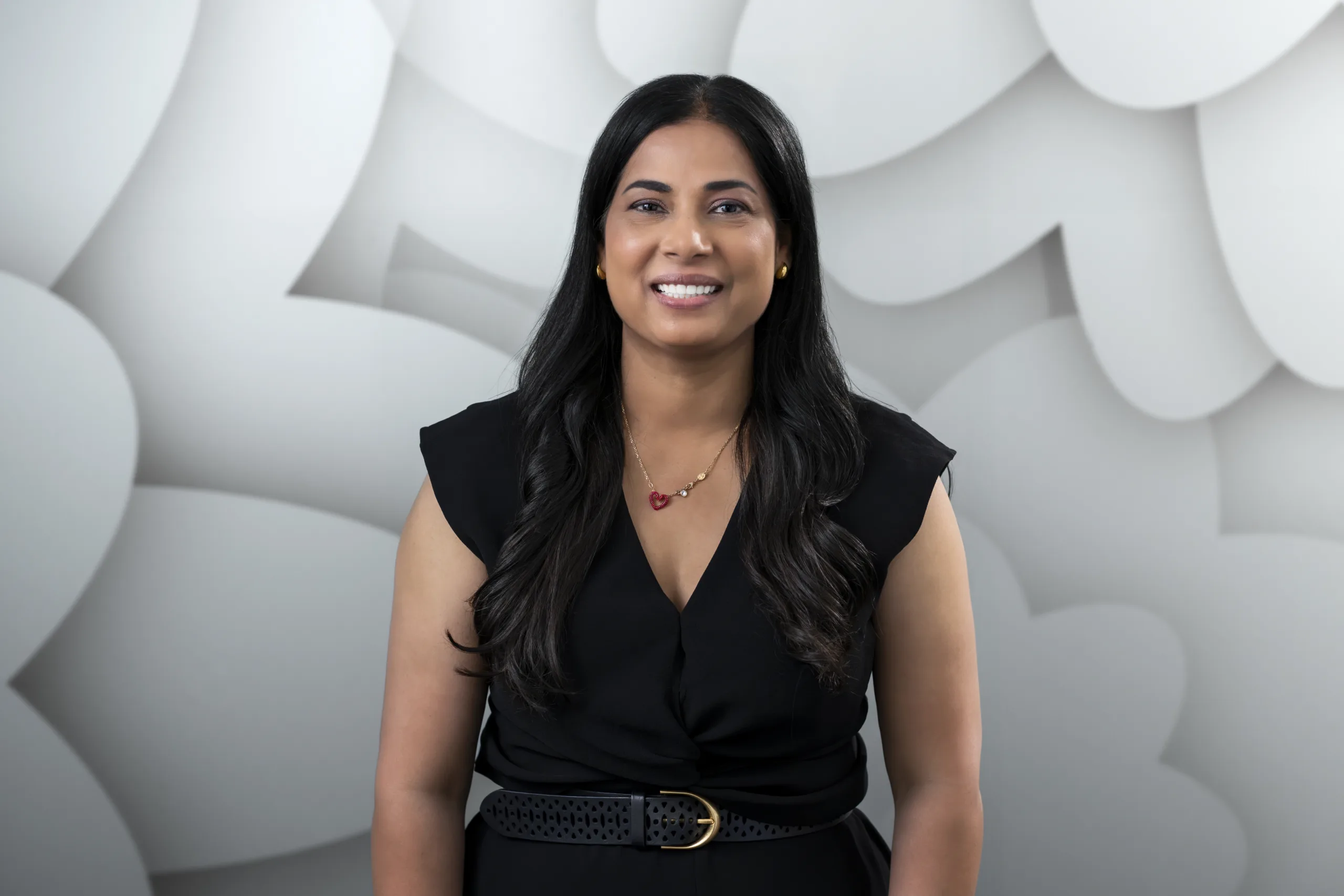
Dr Karn has more than 25 years’ experience in General and Cosmetic Dentistry. She completed a Bachelor of Dental Surgery at the University of Adelaide in 1999, is a member of the Australian Dental Association, and has the following post-graduate training qualifications:
Committed to providing exceptional dental care in a relaxed environment, Dr Karn has a special interest in:
She regularly travels to conferences and workshops to continue her professional development. With ongoing training to stay up to date on the latest dental techniques, procedures, and technology, Dr Karn ensures that you always receive a high standard of care and lasting, natural looking results.
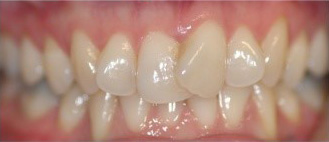
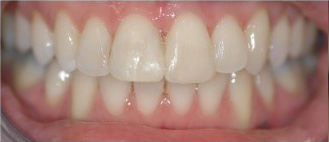
Treatment normally takes between 1-3 years, depending on the extent of overcrowding, bite issues and jaw misalignment.
They most likely won’t cause significant pain, especially when first applied. However, they can feel more sensitive, uncomfortable, aching and sore for the first few days when you try to eat and after a tightening appointment, but this feeling will improve over time and you’ll feel less bothered about it.
Prices can vary from around $7000 to $10,000, with private health insurance rebates available. For a more accurate quote, we recommend booking in for an initial consultation with one of our dentists.
Your braces will usually need to be tightened every 4-8 weeks.
Dentists are able to manage general oral health concerns, whereas orthodontists are dentists that have completed extra studies to specialise in improving teeth and jaw function and alignment.
You’ll need to take extra care and time in cleaning your teeth and the components of your braces. We recommend carefully brushing the brackets, using a special floss and interdental brushes.
You can buy special types of dental floss that are specifically designed to be used with braces, including floss picks and Superfloss.
According to Orthodontics Australia, the best types of foods to eat require minimal chewing and are low in sugar. This includes soft food such as bread, mashed potatoes and rice, soup, yoghurt, milk and soft cheese. We also recommend eating vegetables and meats that have been cooked until they are soft and tender.
You should avoid foods which are hard, chewy, crunchy, sweet or sugary.
It’s not recommended to chew bubble gum when you have braces, in case it gets stuck in your brackets.
We recommended getting braces once all your permanent teeth have grown through, and this is typically around age 11 to 14.
The timing depends on whether your teeth continue to move after your braces have been removed. For some people, it’s necessary to wear retainers for a year afterwards, and others may continue to need them for several years before their teeth stabilise. Your orthodontist will examine your teeth closely to let you know what sort of time frames are needed.
Adult teeth are usually more rigid and the bones are less flexible, so treatment times are usually longer and more complex.
Adults usually opt for less visible treatments such as ceramic braces, whereas many children will use metal braces.
For a radiant smile and better oral health as you age, dental braces Adelaide are your best investment. Though getting braces can seem daunting, our expert dentists make you feel comfortable and will gently explain all your options every step of the way – look no further than My Dentist Norwood/Adelaide for braces near me.
Ready for a straighter smile? Book your consultation today. Call (08) 8332 2800.